Meeting Kargil


From Kuala Lumpur to Kargil

_

July 25th was a special day. I was invited by Madhavi M. Peters of The Tropicalist to conduct a brief sharing session together with the wonderful students and teachers from Kargil, Ladakh. Termed as the Valley of Dreams, the Drass district is blessed with heavenly terrains and vast landscapes in the Himalayas. In a noble collective effort to restore the local ecology of a conflicted area such as Kargil, Madhavi decided to work closely with the community to raise awareness on the important medicinal plants and conserve them with scientific supervision. Together with a field expert, Fayyaz of The Tropicalist Trust Kargil and an Art Teacher, Bob of Young Artists of Kargil, they hold nature discovery workshops/classes for the highschool students in and around Kargil.

Kargil sits in one of the most conflicted regions between India and Pakistan, tucked in the majestic Himalayan mountains.Photo by Madhavi M. Peters

Kargil sits in one of the most conflicted regions between India and Pakistan, tucked in the majestic Himalayan mountains.

Photo by Madhavi M. Peters

Students were guided in a foraging activity prior to the webinar. Photo by Sajjad Hussein (Art Teacher of Young Artists of Kargil)

Students were guided in a foraging activity prior to the webinar. Photo by Sajjad Hussein (Art Teacher of Young Artists of Kargil)

As the pandemic forced schools to shut down, they set up occassional outdoor activities and invite the students to participate. One of them being the online ‘webinar’ co-hosted with me in a session called “Illustrating Nature”.

Snippet of the webinar presentation

Snippet of the webinar presentation

Snippet of the webinar presentation

Snippet of the webinar presentation

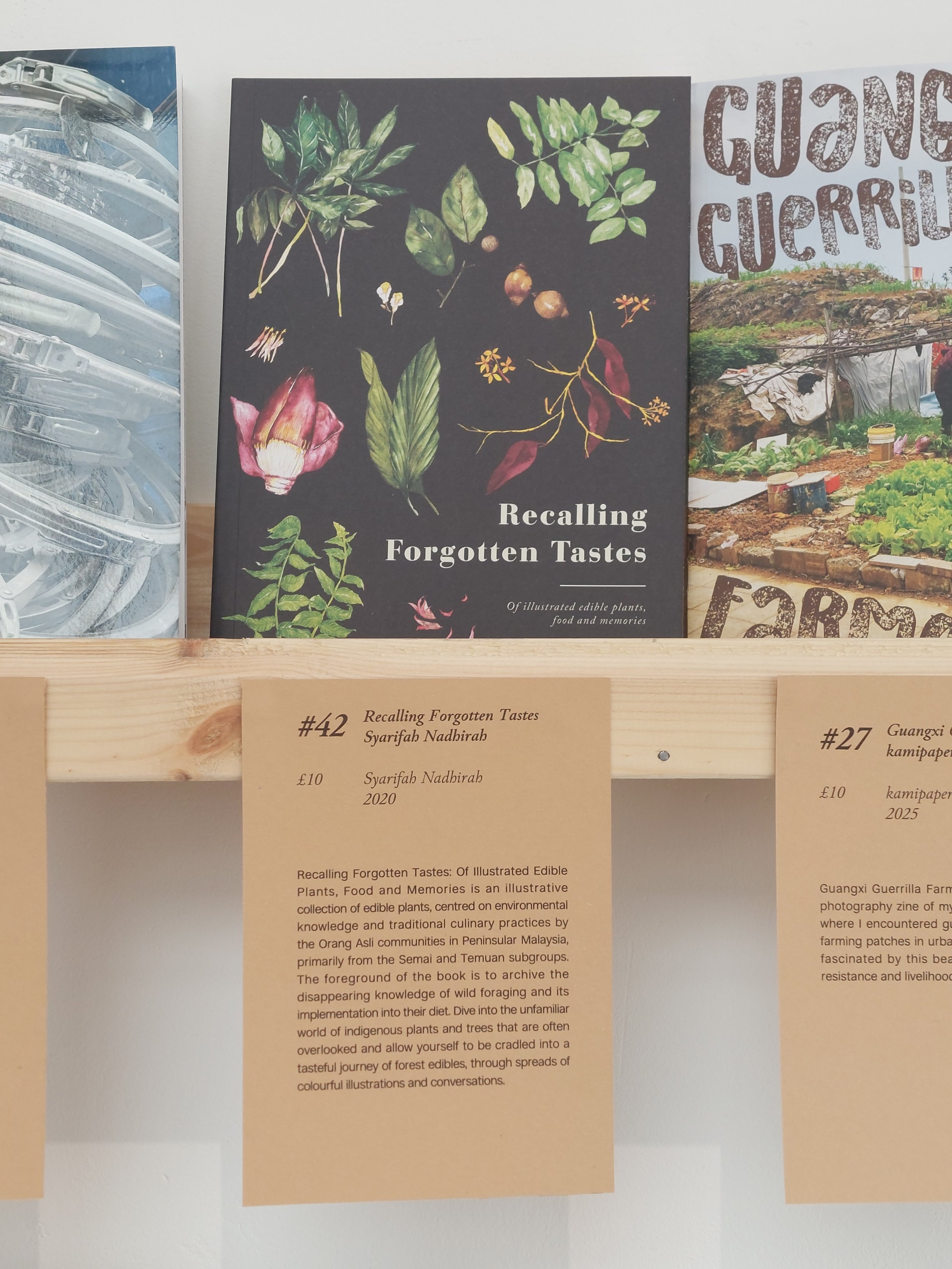
I talked a little bit about the work that I am currently involved in, which is to document indigenous plants through Recalling Forgotten Tastes, the Orang Asli communities in Malaysia and the efforts to protect our biodiversity in an ever-changing global and political turmoil — in hopes to inspire them to do the same for their conservation of native medicinal plants. The second part was a demonstration on how to sketch and paint their beautiful native Marsh Orchid which is called Salam Panja (Dactylorhiza hatagirea).

Watercolour demonstration of Dactylorhiza hatagirea

Watercolour demonstration of Dactylorhiza hatagirea

Students drawing foraged plants after the webinar. Photo by Sajjad Hussein (Art Teacher of Young Artists of Kargil)

Students drawing foraged plants after the webinar. Photo by Sajjad Hussein (Art Teacher of Young Artists of Kargil)

One of their ultimate goals is to document the medicinal plants from their landscapes and turn it into a guide book (which is currently in progress). More Updates to follow as soon as there are enough material for me to share here. I am most excited for them!

Even thousands of miles away, I am motivated by their level of enthusiasm and passion in bridging people across borders and not putting a stop to the learning process given the tricky situation we are in now. Their respect and appreciation towards the natural environment are evidently shown through the work that they do.

_

Excuse me while I teleport myself to their magical landscapes.


If you’re keen to know more about what they are up to, please visit the links below or follow these profiles on Instagram:


Age of Resistance


From the Flower Men of war-torn countries such as Yemen to flower bed protests at hospitals in heavily-militarised Burma, flowers have long become a symbolic form of resistance throughout the century. With the current political upheavel in Malaysia, tensions rise as leaders of an unelected government connive in efforts to stay in power despite conspicuous mismanagement of the country’s health, social and economic crisis. In conjunction with the ongoing #Lawan (Fight in English) Protests, here is a series of posters illustrated as a form of solidarity with the people’s current struggle. For a better future for our children. For safeguarding our healthcare practitioners who work tirelessly but evidently mistreated. For the Indigenous People facing constant peril and injustice. For the migrant workers, refugees and stateless communities often placed at the receiving end of this irreversibly broken system.

Tirani Harus Tumbang

_

The flowers illustrated here are the fast-growing Ulam Raja (Cosmos caudatus) known for its connotation with ‘order and harmony among all things’. It grows and grows, between cracks of concrete, until it takes over the once hardened environment — creating a new ecosystem, for all to be part of.

The first poster took inspiration from Wiji Thukul’s poem titled “Bunga dan Tembok” :

Jika kami bunga
Engkau adalah tembok itu
Tapi di tubuh tembok itu
Telah kami sebar biji-biji
Suatu saat kami akan tumbuh bersama
Dengan keyakinan:

Engkau harus hancur!

Dalam keyakinan kami
Di manapun – tirani harus tumbang!

- Wiji Thukul

Listen to Wiji Thukul’s son’s (Fajar Merah) musical version of “Bunga dan Tembok”

Tirani.jpg

Seeds of Resistance

_

Around this time of the year, our rainforests on the other hand are taking part in unsual Mass Flowerings across Malaysia. Dipterocarp forests turn into an ocean of blooms and disperse seeds like raindrops. Botanists and scientific researchers notice a unique merriment of so many flowering species all at once, making it a special year to observe this otherworldly phenomenon. In the spirit of #Lawan, it is somewhat lyrical to witness both the simultaneous forces of Nature and the people demanding for real change. Like our forests, we are the Seeds of Resistance – resisting a tyrannical governance and continue to rise above it.

seeds of resistance.jpg

Bunga Lawan

_

Bakawali (Epiphyllum oxypetallum) is a flower with intoxicating fragrance, it rarely blooms and only at night. It is often associated with sacred experiences, often emanating a palpable presence for one to indulge in. A presence unknown, however induces a sense of urgency galvanizing its surroundings into action. A presence such as ours, the oppressed and the powerless.

Flower.jpg

Feel free to use and share these posters, so long as you do not use it for commercial purposes. Do credit me where necessary. #Lawan!


Printmaking - Lino Prints

A series of B&W botanical linocut prints done throughout the year 2020 - 2021.

Rimbun Dahan - Southeast Asian Art Residency

Throughout the hot months of 2019, I had the opportunity to share a wonderful space with other art practitioners in Rimbun Dahan. It led me to observe the initial ideas of a project I was working on at that time — documenting indigenous plants and food from Indigenous communities around Selangor.


This piece briefly showcases foraged plants which are normally consumed by the Temuan Community in Kampung Tohor, Jelebu. They are the Kapeh flower (in yellow colour), Tapioca leaves, Sayur Maman and Limau Kasturi. The vibrant palette feasts the eyes as they narrate a long forgotten dish.

3rd of March 2019 | Kampung Tohor, Jelebu, Negeri Sembilan

Title: Foraged Eats, Food for the Gods (i)

Size: 594 x 420 mm

Medium: Watercolour on 200gsm Watercolour paper


After a few hours of cooking, the food was finally ready and grandly arranged on plastic tables, though I was dumbfounded to have seen a bowl of green Sambal, of which appeared to be pre-cooked prior to our arrival. It struck me to ask Jenita about it, and she said it was green Chilli with generous hints of Durian, quite similar to a local dish called Tempoyak. It was a glorious take on Sambal, as they had put anchovies in it too, not to mention it being painfully spicy.The whole presentation of the dish mainly featured the rice unravelling from the Bemban leaf, boiled Bunga Jantung Pisang, Nibong slices, Tapioca leaves, grilled Tapioca, and Bunga Kantan. Many of us couldn’t handle the heat of the Sambal, but there I was taking a spoonful of it, fearing I would never have a taste of it ever in my life again.

3rd of March 2019 | Kampung Tohor, Jelebu, Negeri Sembilan

Title: An Ode to Life

Size: 594 x 420 mm

Medium: Watercolour on 200gsm Watercolour paper


Bayam Pasir, Nibong and Tapioca leaves. The insides of Nibong tree can be sliced into strips and eaten raw or cooked into soups with hints of turmeric. These fresh edible plants are a magnificent staple of the Orang Asli cuisines.

3rd of March 2019 | Kampung Tohor, Jelebu, Negeri Sembilan

Title: Recollection of Old Tastes

Size: 594 x 420 mm

Medium: Watercolour on 200gsm Watercolour paper


We walked around Mak Cik Asni’s house and her wild garden, as I expressed my keenness in knowing their knowledge of plants and herbs surrounding their settlement. One particularly interesting plant that we came across was the Buah Mahkota Dewa (Phaleria macrocarpa) which was in brilliant red. She briefly told us the wonderful remedial properties that come with it, including anti-cancer elements and reduces high blood pressure. But you have to use it in the right way! Remove the seed as it is poisonous and cut the fruit into slices, dry them and boil them in water to drink. The other plants that she planted was Ketumbar Jawa (Eryngium foetidum), which is mainly used in soups and the more familiar Misai Kucing (Orthosiphon aristatus).

12th of December 2018 | Kampung Tekir, Labu, Negeri Sembilan

Title: Unearthing Labu

Size: 594 x 420 mm

Medium: Watercolour on 200gsm Watercolour paper